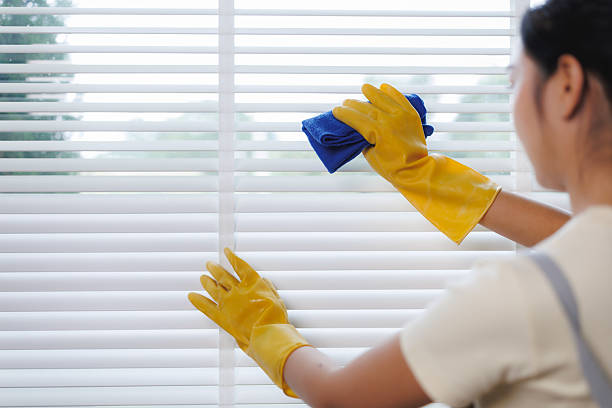
Blinds are one of those household features people clean last, if they clean them at all. They get a quick dust with a cloth every now and then, but a proper deep clean often gets pushed down the to-do list indefinitely. The problem is that blinds sit right in the path of sunlight and airflow all day, which makes them one of the biggest dust traps in any home. That’s exactly why blinds cleaning Sydney specialists exist, offering a level of clean that a feather duster simply can’t match.
Why Blinds Collect So Much Dust and Grime
Every slat or panel of a blind has a horizontal surface that dust, pollen and airborne particles naturally settle on. Add in kitchen grease that drifts through the air during cooking, or nicotine residue in homes where anyone smokes indoors, and blinds can end up carrying a layer of grime that’s invisible from a distance but obvious up close. Bathrooms bring a different challenge entirely, with humidity encouraging mould to develop along the bottom edges of blinds if they’re not cleaned and dried properly.
The Health Angle Most People Don’t Consider
For households with allergy sufferers or asthma, dirty blinds can genuinely make symptoms worse. Every time a blind is raised, lowered or brushed past, trapped dust and allergens get released back into the air of the room. Regular cleaning breaks that cycle, and it’s a small change that people with respiratory sensitivities often notice fairly quickly. It’s a similar principle to changing air conditioning filters regularly, treating blinds as part of a home’s overall air quality rather than just a decorative feature.
Different Blinds, Different Cleaning Methods
Not all blinds can be cleaned the same way, which is where a lot of DIY attempts go wrong. Venetian blinds, whether aluminium or timber, need careful slat-by-slat attention to avoid bending or warping them. Roller blinds are often more forgiving but can still be damaged by excess moisture if the fabric backing isn’t suited to it. Vertical blinds tend to collect dust along the vertical folds and need a technique that reaches into those creases. Fabric roman blinds are the trickiest of all, since incorrect cleaning can shrink or discolour the material permanently. Knowing the right approach for each type is what separates a safe clean from an expensive mistake.
On-Site Cleaning vs Take-Down Cleaning
Some jobs can be done effectively with the blinds still hanging in place, using specialised equipment that lifts dust and grime without soaking the material. Others, particularly heavily soiled fabric or timber blinds, get better results when they’re taken down and cleaned using an ultrasonic or immersion method, then rehung once fully dry. A good provider will assess the type and condition of the blinds first rather than applying the same method to everything, which usually gets a cleaner result with less risk of damage.
How Often Blinds Actually Need Cleaning
Most homes get away with a light dusting every couple of weeks, but a proper deep clean is generally worth scheduling once or twice a year, more often in kitchens, bathrooms or homes near busy roads where airborne grime builds up faster. Rental properties and homes preparing for sale also benefit from a pre-inspection or pre-listing clean, since dusty or discoloured blinds can drag down an otherwise well-presented room.
A Small Job With a Noticeable Result
Compared to a lot of home maintenance tasks, blind cleaning is relatively quick and inexpensive, yet the visual difference afterwards is often bigger than people expect. Light passes through more clearly, colours look brighter, and the whole room feels fresher. For anyone who has put off booking blinds cleaning Sydney providers offer because it felt like a low-priority job, it’s usually one of those tasks that turns out to be far more satisfying, and far more affordable, than expected once it’s finally done.
Signs It’s Time to Book a Clean
A few telltale signs suggest blinds are overdue for proper attention. A faint musty smell near windows, visible grey buildup along the top of each slat, or noticeably reduced light coming through closed blinds are all common indicators. Anyone who sneezes more often near a particular window, or notices a slight discolouration creeping in from the edges of fabric blinds, is usually looking at a hygiene issue rather than just a cosmetic one. Catching it early also tends to be cheaper, since heavily soiled or mould-affected blinds sometimes need replacing rather than cleaning if the problem is left too long.
It also helps to think about blinds the same way you’d think about carpets or upholstery, as a soft surface that quietly absorbs whatever is floating around the room. Kitchens near an open window, bedrooms with pets that like to sit on the sill, and homes close to a busy road all tend to need attention more often than the average once-or-twice-a-year guideline. Building it into a seasonal home maintenance routine, alongside things like changing air filters or checking smoke alarms, is usually the easiest way to make sure it doesn’t get forgotten for another year.
Blinds might not be the first thing on anyone’s cleaning list, but they quietly affect both the look and the air quality of a home more than most people realise. A regular clean keeps them working properly, looking sharp, and free of the dust and allergens that build up out of sight.